The main features that make Aluminum Castings a popular choice
All Regarding Light Weight Aluminum Castings: Understanding Their Duty and Relevance in Manufacturing
Aluminum spreadings are integral to contemporary manufacturing, using a blend of lightweight properties and sturdiness. They promote complicated designs while decreasing assembly expenses. Industries such as aerospace and automotive frequently use these components for enhanced efficiency. The manufacturing of aluminum spreadings is not without its obstacles. Comprehending the nuances of this process reveals both the benefits and potential challenges. Discovering these factors will certainly supply much deeper understandings into their growing importance.
Summary of Aluminum Spreading Processes
Aluminum casting processes play an important function in production, using convenience and performance. These processes involve putting liquified aluminum into molds to produce accurate forms and elements. Different methods are employed, consisting of sand spreading, die spreading, and investment casting, each differentiated by its approach of mold development and the desired application.
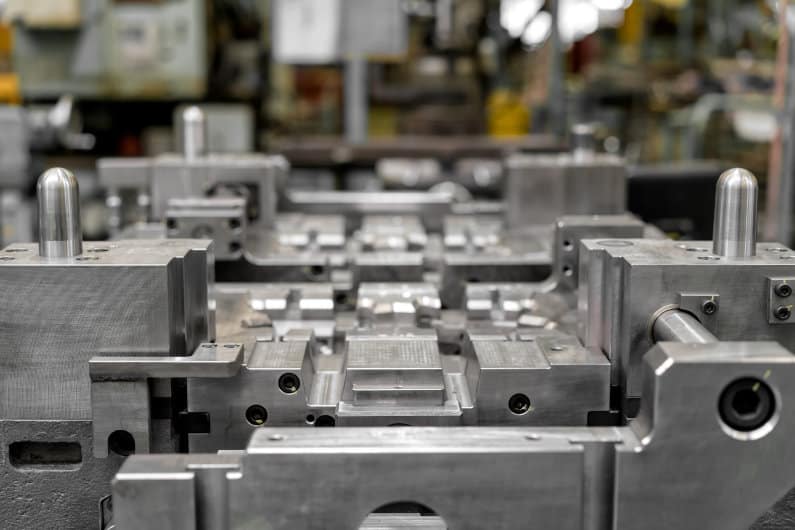
Sand casting uses a mix of sand and binder to create mold and mildews, permitting complex geometries. Pass away casting, on the various other hand, includes compeling molten aluminum right into steel molds, causing high accuracy and smooth finishes. Financial investment spreading, commonly used for elaborate designs, includes producing a wax pattern coated with a ceramic shell, which is then full of molten light weight aluminum.
These casting approaches provide to varied industrial demands, making light weight aluminum a preferred material for elements in sectors such as automobile, aerospace, and durable goods. The option of casting strategy significantly influences the end product's top quality and performance.
Benefits of Making Use Of Aluminum Castings
The benefits of making use of aluminum spreadings in production are many and significant. To start with, light weight aluminum's light-weight nature adds to decreased general item weight, improving power effectiveness in applications such as vehicle and aerospace industries. Additionally, light weight aluminum spreadings display exceptional corrosion resistance, ensuring durability and longevity in severe settings. The material's electric and thermal conductivity also makes it ideal for different applications, including electronics and warmth exchangers.
In addition, light weight aluminum spreadings can be produced with complex styles, enabling a lot more complicated shapes that satisfy specific useful needs. This convenience contributes to minimized assembly expenses and improved style versatility. Additionally, the casting procedure itself is reliable, enabling high-volume production with consistent quality. Aluminum is recyclable, making it an environmentally pleasant alternative in production. Collectively, these benefits highlight why light weight aluminum castings are significantly preferred across diverse markets, using both efficiency benefits and economic performance.
Common Applications of Aluminum Castings
While numerous materials are used in production, light weight aluminum spreadings attract attention due to their broad variety of applications throughout multiple sectors. These spreadings are extensively utilized in the automobile sector for engine elements, transmission housings, and structural components, adding to lighter cars and boosted fuel efficiency. In the aerospace sector, light weight aluminum castings are essential for aircraft parts, where weight decrease is important for efficiency and safety and security.
In addition, the electric market uses aluminum spreadings for housings and structural components in machinery, gaining from the material's outstanding conductivity. In durable goods, aluminum spreadings can be discovered in things such as home appliances and showing off equipment, giving sturdiness and a modern aesthetic. The building and construction sector makes use of light weight aluminum castings in architectural elements, home window frameworks, and components, showcasing their adaptability and stamina. Generally, aluminum spreadings play an indispensable role in improving product performance and efficiency across numerous markets.
Trick Production Techniques for Light Weight Aluminum Castings
The production of aluminum spreadings relies upon different strategies, with sand casting and die casting being among the most famous. Sand casting entails creating mold and mildews from sand, enabling for complex designs and big parts. In comparison, pass away casting makes use of high-pressure shot of molten aluminum right into multiple-use molds, providing accuracy and effectiveness for mass production.
Sand Casting Refine
Sand casting stands as one of the most extensively made use of techniques for producing light weight aluminum castings, thanks to its versatility and cost-effectiveness. This procedure involves creating a mold and mildew from a blend of sand and a bonding representative, usually clay. As soon as the mold and mildew is prepared, molten aluminum is put into it, enabling the metal to fill up the cavity. After cooling down, the mold and mildew is damaged away to disclose the casting. Sand casting fits huge components and complicated geometries, making it suitable for numerous applications. Additionally, it permits simple alterations, making it possible for makers to adjust layouts swiftly. The surface area coating may need extra machining for accurate applications, making certain the last product meets high quality criteria.
Pass Away Casting Techniques
Pass away casting represents a highly effective technique for creating light weight aluminum spreadings, characterized by its ability to deliver high accuracy and exceptional surface area finish. This strategy largely involves forcing molten aluminum right into a mold under high stress, making sure that great information and complex shapes are caught properly. There are two primary die spreading methods: hot chamber and chilly chamber. Warm chamber pass away spreading is suitable for alloys with low melting points and allows for faster cycles, while cold chamber die casting is ideal for high-temperature alloys, needing different melting systems. Both methods boost manufacturing rates and minimize material waste, making die casting a favored choice in markets such as automobile and electronic devices, where sturdiness and dimensional accuracy are critical.
Sustainability in Aluminum Spreading Manufacturing
While the demand for light weight aluminum spreadings continues to grow, manufacturers are progressively prioritizing sustainability in their production processes. This shift is driven by the demand to lower ecological influence and preserve natural deposits. Numerous firms are taking on reusing efforts, making use of scrap light weight aluminum, which significantly lowers power intake and greenhouse gas exhausts contrasted to primary aluminum production. Furthermore, advancements in casting modern technologies are enabling more reliable use materials, reducing waste during the manufacturing procedure.
Manufacturers are also checking out green choices to conventional spreading techniques, such as 3D printing and advanced mold modern technologies, which help maximize source usage. Metal Castings. On top of that, applying sustainable techniques in supply chain administration assurances that basic materials are sourced properly. Consequently, the light weight aluminum spreading industry is making strides towards a more sustainable future, straightening with global ecological objectives while meeting the enhancing demand for high-performance aluminum items
Difficulties and Factors To Consider in Light Weight Aluminum Casting
Light weight aluminum casting presents numerous difficulties that suppliers should browse to guarantee product honesty. Design complexity can make complex the spreading process, leading to possible defects and boosted production time. Furthermore, keeping rigorous quality control criteria is important to fulfill the needs of precision and reliability in completed parts.

Style Complexity Issues
Designing components for light weight aluminum casting offers different intricacies that designers need to browse to achieve excellent outcomes. One significant obstacle is the requirement for exact geometry; elaborate layouts can result in difficulties in mold creation and raised danger of problems. In addition, thermal properties of aluminum necessitate cautious consideration of cooling down prices, as uneven air conditioning can cause warping. Wall thickness variants also present a challenge, as they can impact flow attributes and architectural honesty. Engineers need to stabilize layout aesthetics with manufacturability, making certain that features such as redirected here ribs and fillets are optimized for toughness without complicating the spreading procedure. Ultimately, considerations concerning draft angles are essential to facilitate mold launch, more making complex the design process. These variables collectively emphasize the details associated with aluminum casting design.
Quality Assurance Obstacles
Achieving top notch aluminum castings entails steering a series of quality assurance obstacles that can substantially influence the last product. Initially, variations in basic material structure can result in variances in casting buildings, making it important to assure material top quality. Second, the casting process itself is at risk to flaws, such as porosity and you could try here shrinking, which can compromise architectural stability. Furthermore, temperature level control during melting and pouring is crucial; variations can cause uneven solidification, impacting dimensional precision. Thorough assessment methods, including non-destructive testing, should be employed to determine flaws early. Lastly, keeping stringent process paperwork and adherence to market requirements is important for traceability and high quality guarantee, highlighting the intricate balance needed to create trusted light weight aluminum spreadings in production.
Future Trends in Aluminum Spreading Modern Technology
As suppliers endeavor to improve efficiency and sustainability, advancements in light weight aluminum casting modern technology are emerging to satisfy these demands. One considerable fad is the integration of automation and expert system, which simplify production procedures and improve precision in casting procedures. These innovations decrease human error and optimize resource use, inevitably leading to cost decreases.
Furthermore, the fostering of advanced materials and alloys is improving the landscape. New formulas enhance efficiency qualities, such as rust resistance and lightweight residential properties, making light weight aluminum spreadings extra functional across various markets.
Sustainable techniques are gaining grip, with a focus on recycling and decreasing waste (Aluminum Foundry). Strategies such as 3D printing are additionally being discovered to create complicated geometries that were formerly unattainable
Regularly Asked Questions
How Do Light Weight Aluminum Castings Contrast to Other Products?
Aluminum castings use benefits such as lightweight, rust resistance, and outstanding thermal conductivity compared to various other products. They are typically preferred for applications requiring longevity and efficiency, specifically in aerospace and auto markets.
What Is the Lifespan of Aluminum Castings?
The life expectancy of light weight aluminum castings generally varies from 10 to 50 years, relying on environmental conditions, use, and upkeep. Their deterioration resistance and sturdiness add significantly to their durable efficiency in different applications.
Can Light Weight Aluminum Castings Be Reused?
Yes, light weight aluminum spreadings can be reused. The recycling process is Click This Link effective, permitting the recovery of aluminum without substantial loss of high quality, making it a lasting choice in manufacturing and minimizing environmental effect.
What Safety And Security Measures Are Needed Throughout Light Weight Aluminum Spreading?
During aluminum spreading, necessary safety and security actions consist of putting on ideal personal safety devices, making sure proper air flow, preserving tools, making use of fire-resistant materials, and applying risk-free taking care of protocols for molten metal to avoid injuries and accidents.
How Do Temperature Level Adjustments Impact Light Weight Aluminum Castings?
Temperature modifications noticeably influence light weight aluminum spreadings by affecting fluidity, solidification prices, and mechanical residential properties. Fast cooling can result in enhanced brittleness, while gradual cooling advertises far better structural honesty and reduces the danger of defects.
Pass away spreading, on the various other hand, includes compeling molten aluminum into metal molds, resulting in high accuracy and smooth coatings. The manufacturing of light weight aluminum castings counts on numerous techniques, with sand casting and die casting being amongst the most noticeable. Sand casting stands as one of the most commonly made use of approaches for generating light weight aluminum spreadings, thanks to its flexibility and cost-effectiveness. Die casting represents an extremely efficient technique for creating aluminum castings, characterized by its ability to provide high accuracy and superb surface area coating. While the need for aluminum castings continues to grow, producers are significantly prioritizing sustainability in their manufacturing procedures.